
Parts used in the offshore industry are exposed to extreme stresses. Salt water, high pressure loads and corrosive environments take a toll on both machines and parts.
At Lomma Hårdkrom we offer hard chrome plating with machining that provides long life, low friction and high wear resistance. Our experience and modern equipment make us a reliable partner for newly manufactured parts as well as renovation of existing components.
The offshore industry is exposed to high stress and harsh environments. High pressure, salt water, and chemical stresses from oil products wear down machinery and parts, leading to faster wear and shorter lifetime.
Hard chrome plating provides a hard and durable surface that resists both mechanical wear and erosion. The chrome-plated surface reduces friction, which improves part performance and reduces the risk of malfunction.
The technology is particularly important for moving parts such as hydraulic cylinders, shafts, valves and pumps. By applying a hard chrome layer, parts can last longer, require less maintenance and maintain their function during continuous operation.
Our comprehensive solution includes grinding and polishing prior to hard chrome plating to ensure the correct surface finish and dimensional accuracy. As a result, the components can withstand high loads over time and perform reliably in offshore environments.
We know the challenges that come with working offshore. That's why we offer complete hard chrome plating with pre- and post-treatment to ensure a result that lasts.
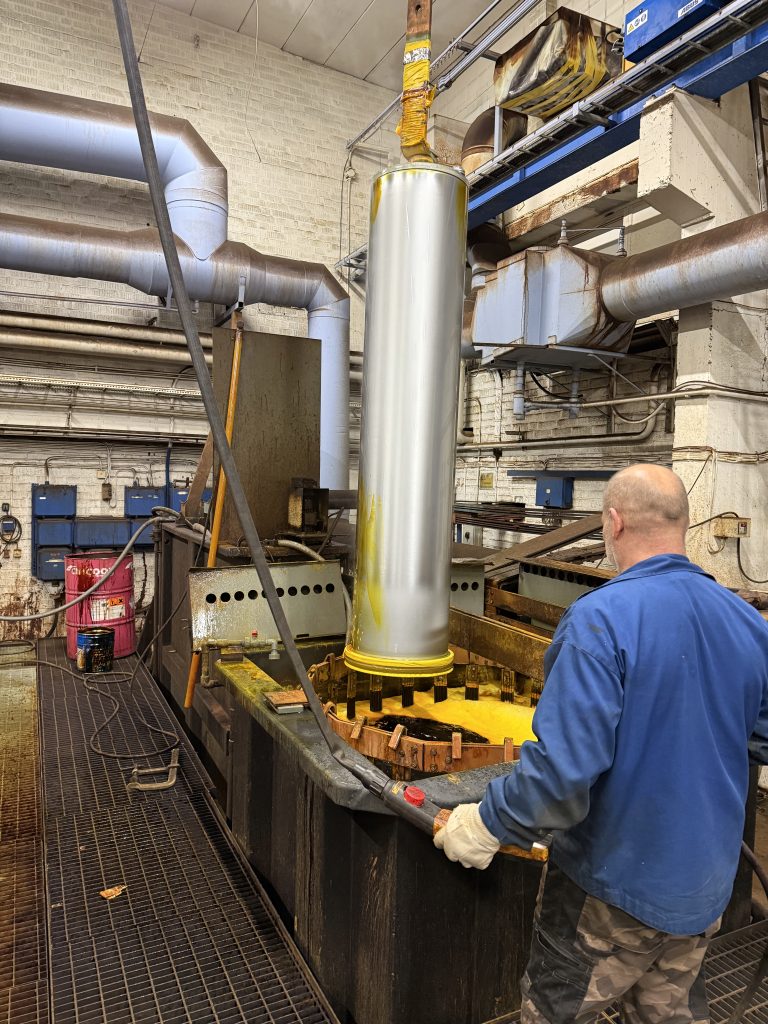

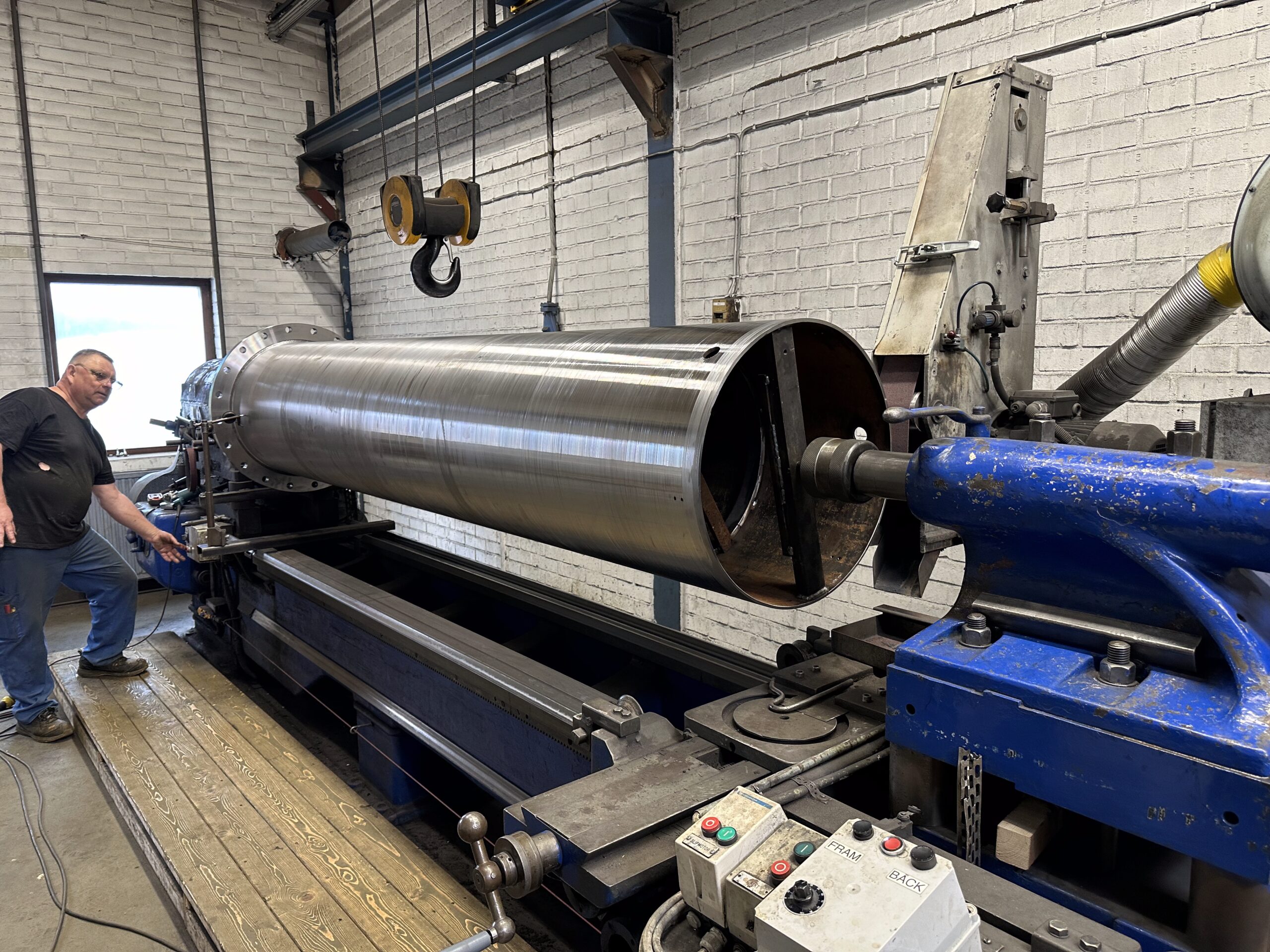


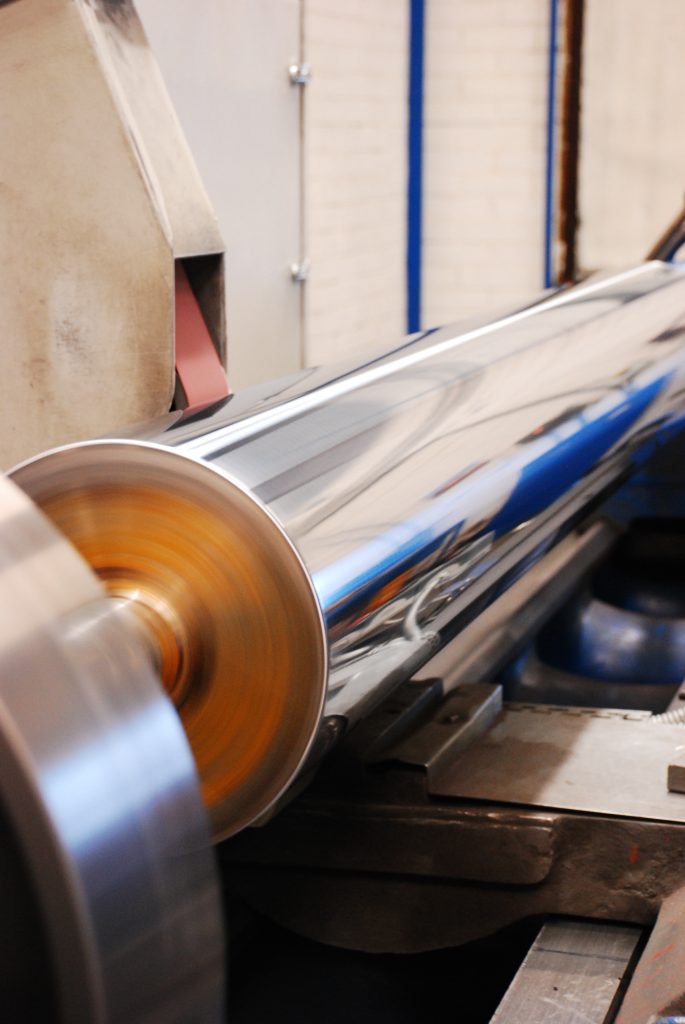
Lomma hard chrome
Choosing Lomma Hårdkrom offers clear advantages:
By managing the whole process in-house, you get a smooth flow, short lead times and high quality. Our processes ensure that your parts can withstand high loads, harsh chemical environments and long-term operation.
Do you need hard chrome plating or refurbishment of parts for the offshore industry? Contact us for expert advice and a solution that delivers durable, corrosion-resistant and long-lasting parts that work in the toughest conditions.
Good to know about hard chrome plating
The coating thickness is always tailored to the specific component’s function and the actual loads it will be subjected to in the offshore environment. Generally, a thicker chrome coating is applied when refurbishing worn components to restore them to their exact original dimensions after damaged areas have been ground away.
Hard chrome provides an extremely hard surface that resists mechanical wear, but it is a coating that sits on top of the base material. Thechrome layer is composed of microcracks — it is not aa100% impermeable layer and prefers to glide and be lubricated with oil to prevent moisture/saltwater/sulfurpenetrate down to the base material, which then causes corrosion. If an extremely powerful impact penetrates all the way down to the base metal, salt water & sulfur in the air penetrate beneath the coating, making thorough pretreatment and full adhesion crucial to prevent the damage from spreading.
We can process most heavy industrial components, shafts, and Piston rods made of steel. Even stainless steel and iron alloys used in marine environments are excellent candidates for hard chrome plating to add the high wear resistance and low friction that the base material often lacks deep within moving systems.
The component undergoes a comprehensive treatment process in-house. The process begins with a thorough cleaning to remove salt and chemical contaminants. After that the old chrome plating is electrolytically stripped and mechanically grindingis and possibly weldingas to completely renovate damaged material and ensure a completely smooth surface before the new chrome layer is applied.
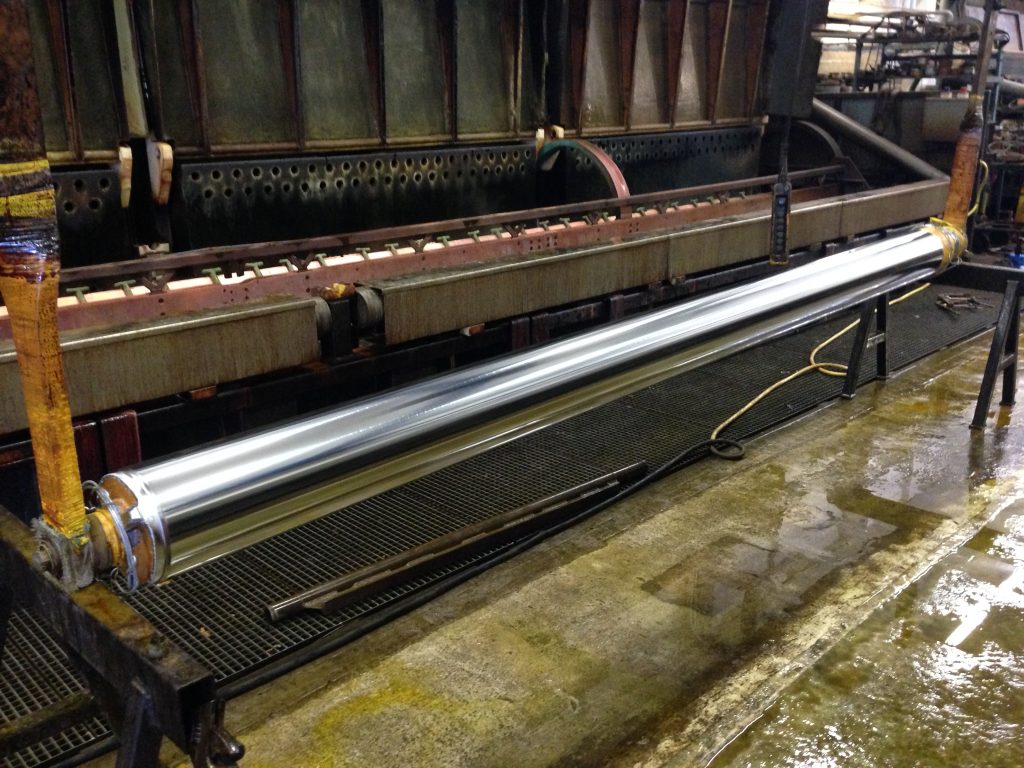
Yes, our facilities have ample capacity for heavy-duty industrial applications. Our equipment and workshop allow us to handle and machine large, heavy components that are up to 13 meters long and weigh up to 10 tons.
works in direct contact with seals, allowing for smoother movement, which reduces the risk of wear damage and prevents future leaks in the cylinders. We also measure surface roughness and strive to meet the customer’s requirements for RA-value so as not to end up with a surface that is too smooth/shiny surface to which even the oil adhere to.
